English
 русский
 Français
 Español
 Deutsch
Is a Carton Folding Gluing Machine the Key to Cleaner and More Consistent Packaging Production
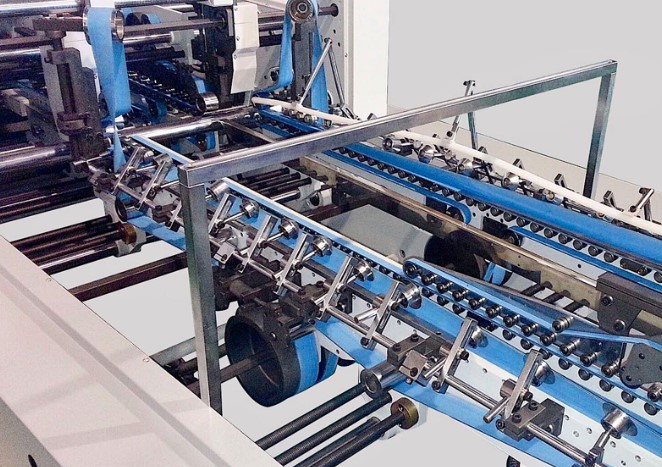
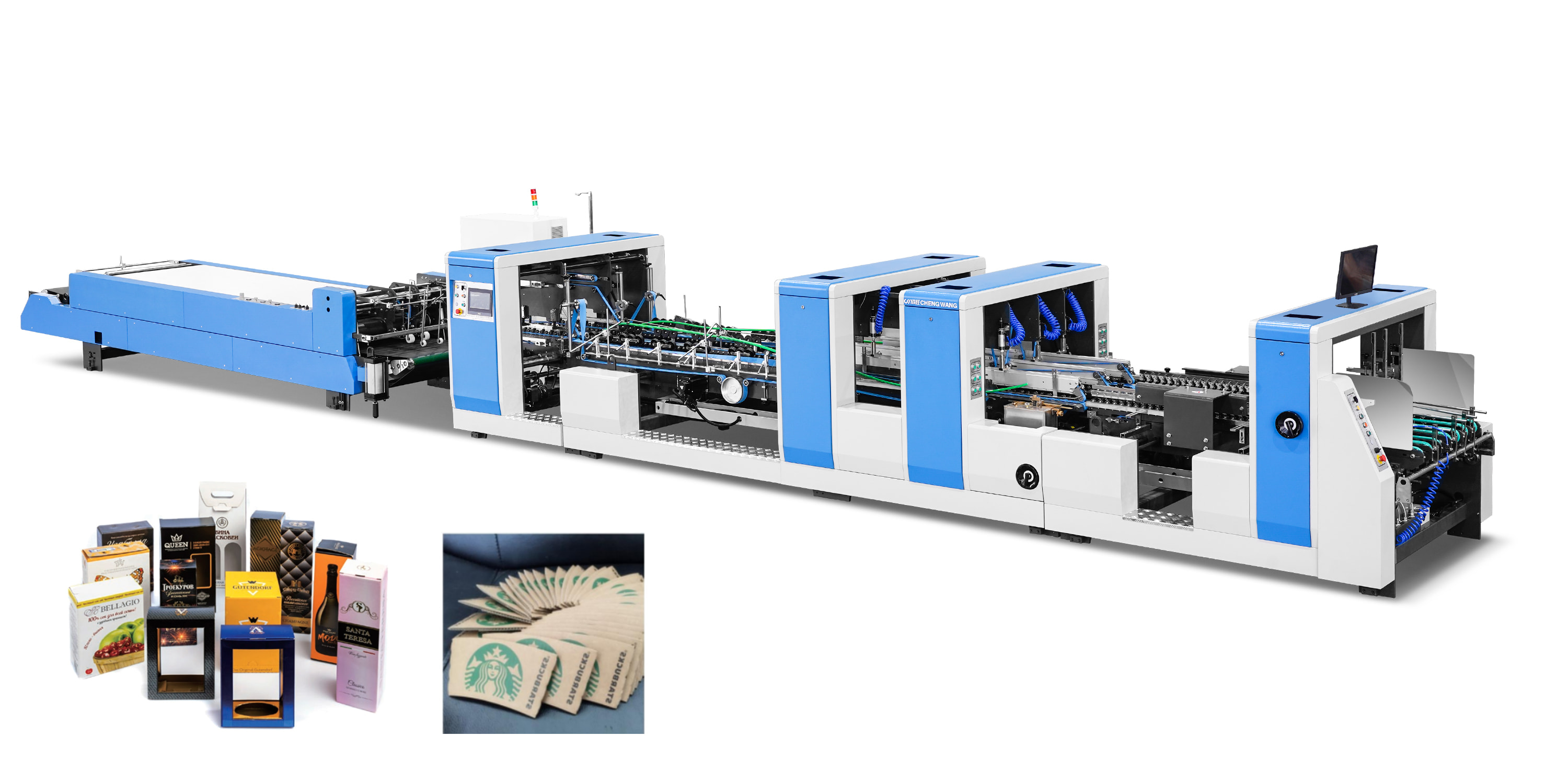
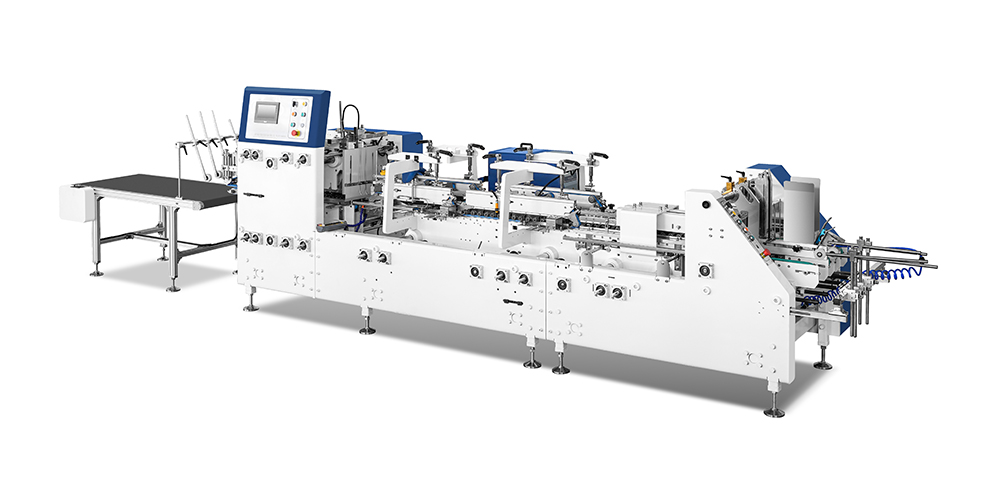
Packaging production has continued to move toward faster output, steadier quality, and more controlled finishing. In that process, the folding and gluing stage has become one of the most important parts of the workflow. A Carton Folding Gluing Machine is designed to take flat sheets of cardboard or paperboard and turn them into finished folded cartons through a coordinated sequence of feeding, folding, gluing, pressing, and delivery.
For packaging manufacturers, that sequence is more than a technical routine. It affects how a carton looks, how firmly it holds together, and how smoothly production moves from one stage to the next. When the process is well managed, the result is a more orderly production line and a more dependable final package.
Why the Folding and Gluing Stage Matters
Carton making is not only about shaping paperboard. It is about creating a finished product that can stand up to handling, transport, and packing demands. Once a sheet has been cut and prepared, the folding and gluing stage determines whether it becomes a neat carton or a product that needs rework.
What manufacturers usually look for
- Steady material feeding
- Accurate folding alignment
- Controlled glue application
- Firm bonding after compression
- Smooth collection at delivery
These points show why the folding and gluing stage often receives close attention in a packaging plant. Small errors can affect the final look of the carton and create waste later in the line. A process that stays consistent from start to finish helps reduce that risk.
How the Process Begins: Feeding the Sheets
The workflow starts when flat sheets enter the machine. At this point, the material must move into the line in a controlled way so it can continue through each section without shifting. Feeding may look simple, but it shapes everything that follows.
If the sheet enters out of position, the folding lines may no longer match the intended design. That can affect the overall appearance of the package and may weaken the later gluing step. For that reason, feeding is not just a starting point. It is the base of the entire process.
Key points in the feeding stage
- The sheet is guided into position
- Movement must stay even and stable
- Alignment supports the rest of the workflow
- Proper entry helps reduce later errors
A machine that manages this stage well can support a smoother transition from raw sheet to finished carton. That is one of the reasons packaging teams continue to focus on input accuracy when evaluating production equipment.
Folding Turns the Flat Sheet Into Structure
Once the sheet is inside the machine, it moves into the folding section. This is where a flat piece of board begins to take on its final shape. Guiding mechanisms direct the material along the right lines so the carton can form correctly.
Folding may seem straightforward from the outside, but it depends on steady motion and proper alignment. The folds need to appear in the right place and at the right angle so the package can function as intended. A clean fold also supports the appearance of the carton, which matters in both retail packaging and shipping boxes.
The folding section works best when it keeps the material moving in a smooth pattern. If the fold is uneven or forced too sharply, the carton may lose shape or create problems when the glue is added. That is why folding and gluing are closely connected rather than separate tasks.
What good folding supports
- A neater final shape
- Better carton consistency
- Stronger support for the glue stage
- Less chance of deformation later
Gluing Secures the Structure
After folding, the machine moves the carton into the gluing section. Here, adhesive is applied only where it is needed. The placement of glue is important because the carton depends on the bond to stay closed and hold its form.
Too much adhesive can create buildup or leave the carton looking untidy. Too little adhesive can weaken the bond and affect performance. The gluing stage therefore requires control and timing. It is not simply about applying glue, but about applying it in the right way.
This is where a Carton Folding Gluing Machine shows its value in production. It combines shaping and bonding in one line, helping manufacturers reduce handling and keep the process moving. Instead of moving sheets through multiple separate steps, the machine brings the sequence together in a coordinated flow.
Gluing stage priorities
- Adhesive placed in the correct areas
- Bonding kept even and stable
- Clean application without excess material
- Compatibility with the folding pattern
When the gluing section works properly, the carton is ready for the next stage without needing extra correction. That kind of consistency is especially useful in high-volume packaging settings.
Compression Helps the Bond Set
Once glue has been applied, the folded carton passes through a pressing or compression section. This part of the process helps hold the glued sections together so the bond can settle properly. Pressure is an important part of finishing because it improves contact between surfaces.
Without this step, the glued areas may not stay aligned as intended. Compression gives the carton a firmer and more complete bond, which supports both strength and appearance. It also helps the carton keep its shape after the machine releases it.
At this stage, the material is no longer just folded paperboard. It is becoming a finished package with a structure that can move into collection, inspection, or additional packaging steps.
Delivery Completes the Workflow
After compression, the completed cartons move to the delivery section. This final stage collects the finished products and prepares them for the next part of the operation. In many production settings, delivery is where the machine hands the cartons over to stacking, packing, or quality review.
Delivery may seem like the end of the process, but it also reflects how well the earlier stages worked together. If the feeding, folding, gluing, and pressing stages were coordinated properly, the cartons should arrive in the delivery section in orderly condition.
What the delivery section supports
- Collection of finished cartons
- Simple stacking for later handling
- Easier inspection and packing
- Better production flow
A Practical View of Each Stage
| Stage | Main Function | Production Value |
|---|---|---|
| Feeding | Guides the sheet into the machine | Supports alignment from the start |
| Folding | Shapes the flat sheet into carton form | Creates structure and form |
| Gluing | Applies adhesive to the needed areas | Secures the folded sections |
| Compression | Presses the glued parts together | Strengthens the bond |
| Delivery | Collects the finished cartons | Prepares products for the next step |
Why This Working Principle Matters for Packaging Plants
The value of a folder gluer lies in more than speed. It helps packaging producers keep their work consistent while reducing the need for repeated manual handling. That is useful in operations where carton shape, bond strength, and finish quality all matter.
Manufacturers often want a process that can handle repeated production without drifting from one carton to the next. A machine built around stable feeding, controlled folding, accurate gluing, and firm compression gives them that kind of workflow. It also helps packaging lines stay organized, especially when output needs to move steadily through the plant.
Common reasons manufacturers use this system
- It helps standardize carton formation
- It keeps production moving in one sequence
- It supports reliable bonding
- It reduces separate handling steps
- It fits a range of packaging operations
A Carton Folding Gluing Machine is useful because it combines these functions into a single process. For packaging businesses, that means fewer interruptions and a more predictable result at the end of the line.
Final Takeaways for Packaging Production
The working principle of a carton folder gluer is straightforward, but its impact is significant. By moving sheets through feeding, folding, adhesive application, compression, and delivery in a controlled sequence, the machine helps transform basic board material into finished packaging with a cleaner and more consistent result.
For manufacturers focused on packaging quality and workflow stability, the machine offers a practical solution that fits everyday production needs. To explore more equipment ideas and packaging solutions, visit cenwanmachine.
Recommended Products
Focus on providing high-quality folder-gluing equipment to customers around the world.



No.3888, Jiangnan Avenue, Nanbin Street, Ruian City, Wenzhou City, Zhejiang Province, China







Privacy Policy Copyright © Zhejiang Chengwang Intelligent Packaging Equipment Co., Ltd.
High Speed Folder Gluer Factory