English
 русский
 Français
 Español
 Deutsch
Why Are Smart Packaging Lines Getting More Attention in Modern Factories, and Where Does the Carton Folding Gluing Machine Fit In
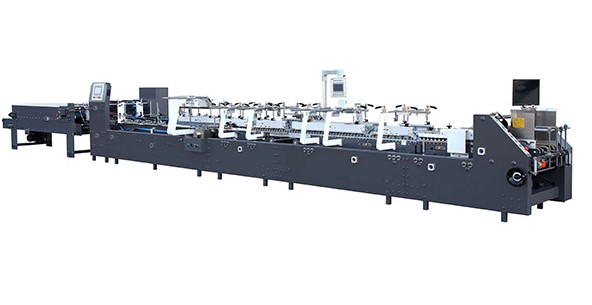
Packaging has been moving through a quiet shift. In many factories, the conversation is no longer only about how many boxes can be made in a day. It is also about how smoothly those boxes move through the line, how often errors happen, and how much manual handling is still needed before a finished carton is ready to ship.
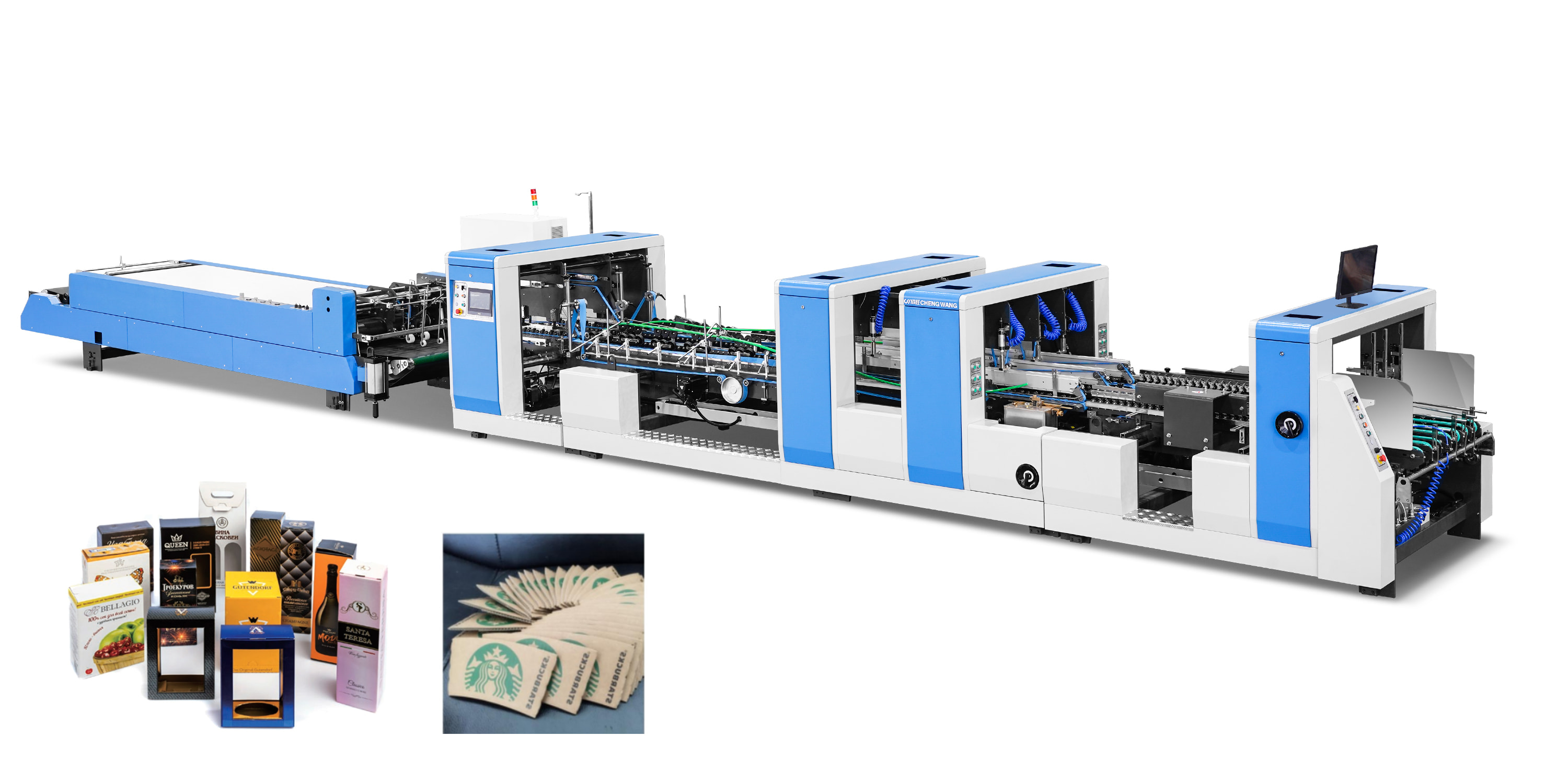
That is why more attention is now going to packaging systems that bring printing, folding, and gluing closer together in one production flow. For manufacturers, the appeal is practical. Fewer steps can mean fewer delays. Better alignment can mean cleaner output. And when demand changes from one job to the next, a more flexible line can make the transition easier to manage. The Carton Folding Gluing Machine has become part of that conversation because it supports a more organized production flow.
A Shift in Packaging Priorities
The packaging sector has always been tied to speed, but speed alone is no longer enough. Companies want packaging that looks neat, holds its shape, and stays consistent across long production runs. They also want a process that does not create unnecessary friction for workers or waste for the plant.
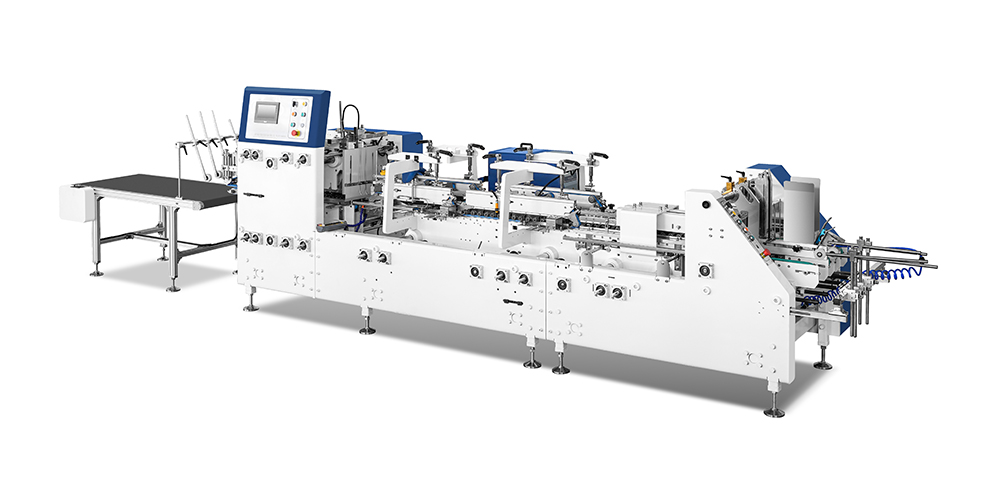
That is part of the reason automated folding and gluing equipment keeps showing up in factory planning discussions. It does not replace the packaging line. It supports it. Instead of relying heavily on hand folding or manual adhesive application, the machine helps turn printed and cut sheets into completed cartons in a controlled sequence.
The result is a workflow that feels more predictable. Flat sheets go in, folded packages come out, and the transition between those stages becomes easier to manage. For businesses that handle cartons, boxes, sleeves, and similar items, that can make a noticeable difference in daily operations.
What Factory Teams Are Looking For
People who work in packaging usually focus on the same few questions. Does the line keep moving? Are the folds accurate? Does the glue hold properly? Can the machine adapt when the job changes? Those concerns matter more than presentation when the goal is to keep production steady.
Common needs in packaging production
- Fewer manual steps
- More consistent folding
- Cleaner adhesive application
- Easier workflow management
- Better support for repeat jobs
These are practical goals, but they are also the ones that shape buying decisions. A machine may look simple from the outside, yet it can have a real effect on how a plant uses labor, time, and floor space.
For many manufacturers, the strongest value is not only in output volume. It is in the reduction of small problems that slow production down. A carton that folds correctly the first time is one less item that needs checking, fixing, or redoing later. The Carton Folding Gluing Machine helps reduce that kind of repeated work.
Why Printing and Converting Are Being Combined More Often
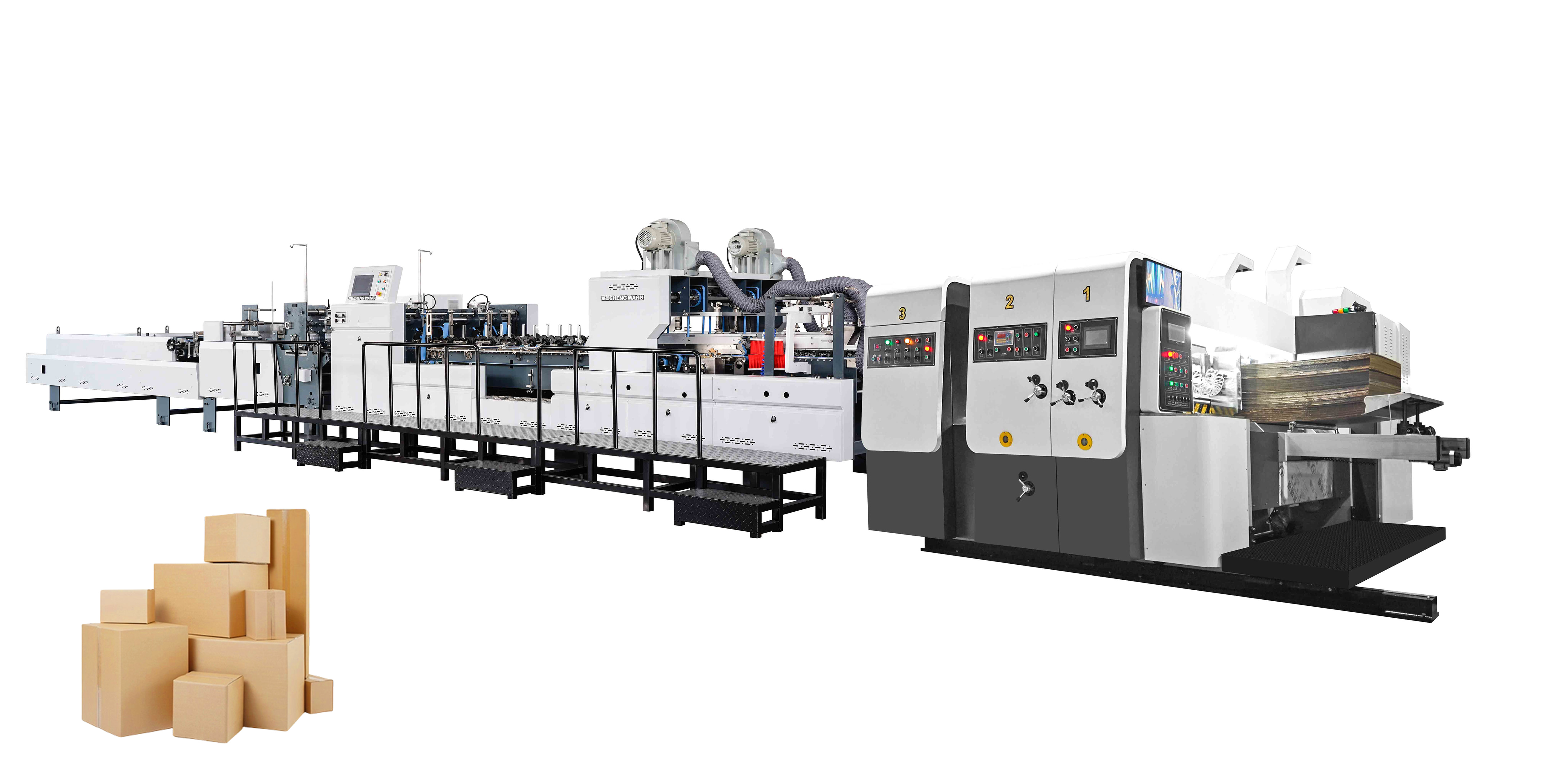
One of the more noticeable developments in packaging is the move toward integrated printing and converting. Instead of handling graphics and structure as separate stages, some production setups are designed to bring them together more naturally. That helps packaging lines stay organized and can reduce the number of times material has to be moved or handled.
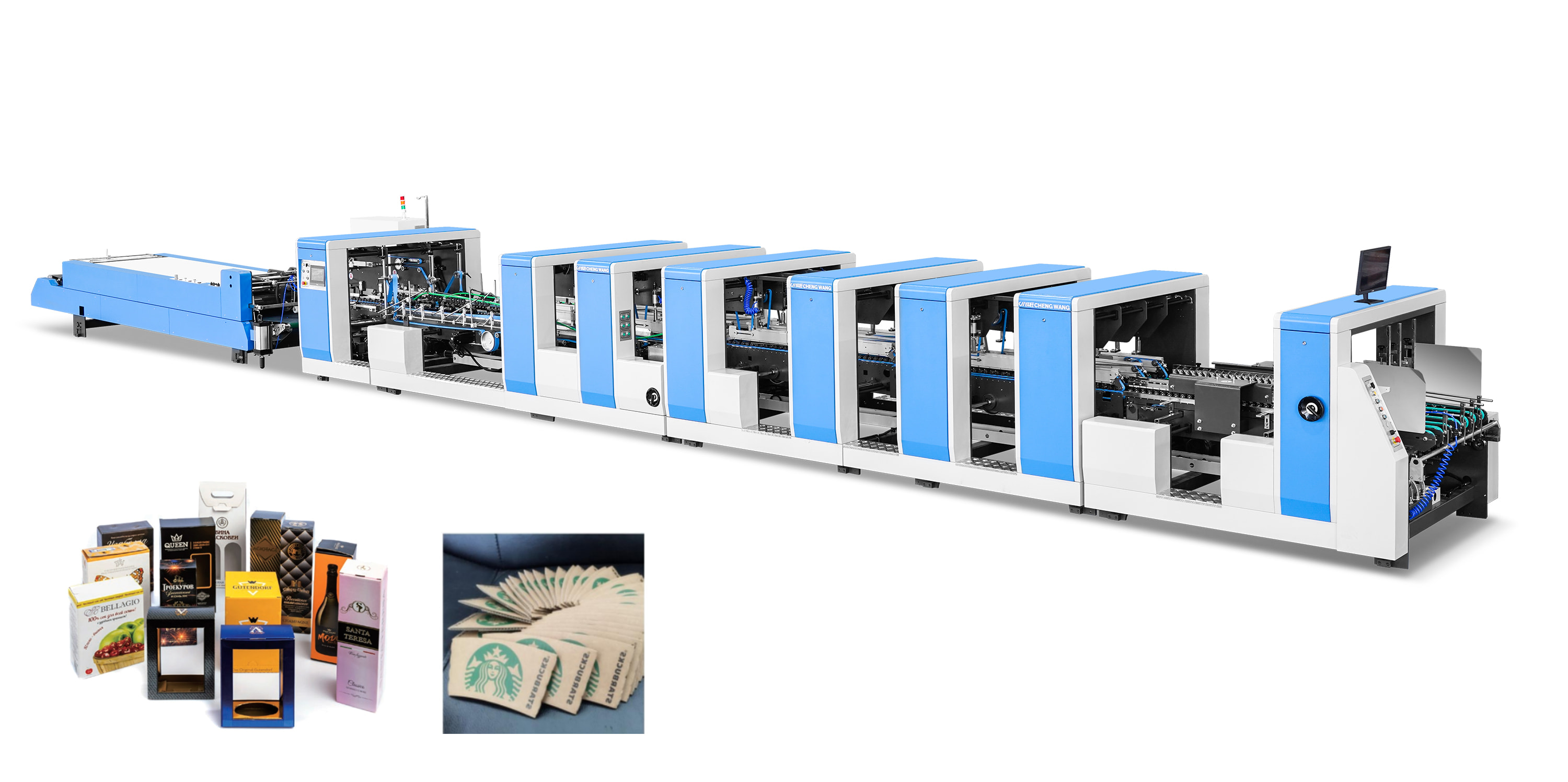
In a typical workflow, a printed and die-cut sheet is fed into the machine, folded along the designed creases, bonded with adhesive, and discharged as a finished package. It sounds straightforward, but each part of the sequence affects the next one. If the fold is off, the final shape may not line up. If the glue is uneven, the package may not stay sealed as intended.
A smooth line keeps those problems down. That is one reason folding and gluing systems remain relevant in packaging plants of different sizes. They help move the process from one stage to the next without adding too much complexity.
A Look at the Production Flow
The process behind carton formation is not especially flashy, but it is central to modern packaging. Once sheets are printed and prepared, they need to be shaped into a form that can serve its function in transport, retail, or storage. That shaping depends on accuracy.
The main stages
- Prepared sheets are fed into the line
- Material is folded according to the design
- Adhesive is applied where needed
- The structure is pressed into place
- Finished cartons are sent onward
Each stage has its own purpose. Folding creates form. Glue creates strength. Pressing helps the final shape hold. When the machine manages those steps in sequence, the process becomes easier to trust.
That is especially useful when manufacturers are producing the same carton again and again. Repetition can be a strength in packaging, but only if the results stay consistent. Automated handling helps support that consistency.
The Role of Flexographic Printing in Packaging
Flexographic printing has become a familiar part of packaging work because it allows graphics and branding to be applied directly to corrugated material before the package is shaped. For companies that want packaging to carry both function and presentation, that can be a useful combination.
The visual side of packaging matters more than many people assume. A carton may need to protect its contents, but it also speaks for the product before the package is ever opened. Clear printing, aligned graphics, and a tidy finish all contribute to that first impression.
When printing is connected with folding and gluing in a more unified process, the production line can feel less fragmented. That can help teams manage both the technical and visual sides of packaging without switching between too many separate operations.
Comparing Common Approaches in Packaging
| Packaging Approach | Main Workflow | Main Strength | Typical Challenge |
|---|---|---|---|
| Manual assembly | Hand folding and gluing | Flexible for smaller jobs | More variation and labor |
| Mixed workflow | Some tasks manual, some automated | Good for moderate output | Needs careful coordination |
| Automated folding and gluing | Machine handles structure and bonding | More consistent output | Requires setup and monitoring |
| Integrated print-and-fold line | Printing and forming happen together | More streamlined production | Less room for error in planning |
Why the Topic Keeps Coming Up in Industry News
Packaging is one of those sectors that changes slowly until it suddenly feels different. A new machine may not sound dramatic, but once it enters a plant, it can affect staffing, scheduling, quality checks, and turnaround times. That is why equipment used for folding and gluing often becomes part of wider industry coverage.
It sits at the intersection of several concerns. Businesses want stable output. They want lower error rates. They want fewer manual bottlenecks. They also want packaging that looks finished, not improvised. When a machine helps support those goals, it naturally becomes more relevant.
The packaging market is also more aware now of the role that workflow plays in cost control. If a line can reduce rework or speed up the handoff between steps, the impact can extend beyond the machine itself. It can affect the whole operation.
What Makes the Change Feel Real on the Floor
In practice, the change is often visible in small ways. Workers may spend less time correcting folds. Supervisors may spend less time checking for misalignment. Finished cartons may move more smoothly into packing or shipping. None of these changes may feel dramatic on their own, but together they can change the rhythm of a plant.
That is why automation in packaging tends to spread gradually. Once one line shows stable results, other lines often follow. Once workers see that the process is easier to manage, resistance usually fades. And once managers notice fewer interruptions, the investment starts to make more sense.
A machine that folds and glues does not solve every production problem. It is not meant to. But in a field where consistency matters, that kind of support can be valuable.
A Practical Direction for Packaging Operations
The future of packaging is not only about speed or scale. It is also about how easily a production line can stay organized while handling different jobs, different materials, and different customer needs. That is where folding and gluing systems continue to fit in.
They help bridge the gap between a printed sheet and a finished carton. They support output without making the workflow more complicated than it needs to be. And they give packaging plants a way to keep production moving while staying closer to the quality standards customers expect.
As factories keep looking for better balance between labor, speed, and consistency, this part of the process is likely to stay in focus. It may not be the most visible step in the chain, but it is one of the steps that makes the rest of the chain work.
Recommended Products
Focus on providing high-quality folder-gluing equipment to customers around the world.



No.3888, Jiangnan Avenue, Nanbin Street, Ruian City, Wenzhou City, Zhejiang Province, China






Privacy Policy Copyright © Zhejiang Chengwang Intelligent Packaging Equipment Co., Ltd.
High Speed Folder Gluer Factory