Which Materials Work Well With Automatic Folder Gluer
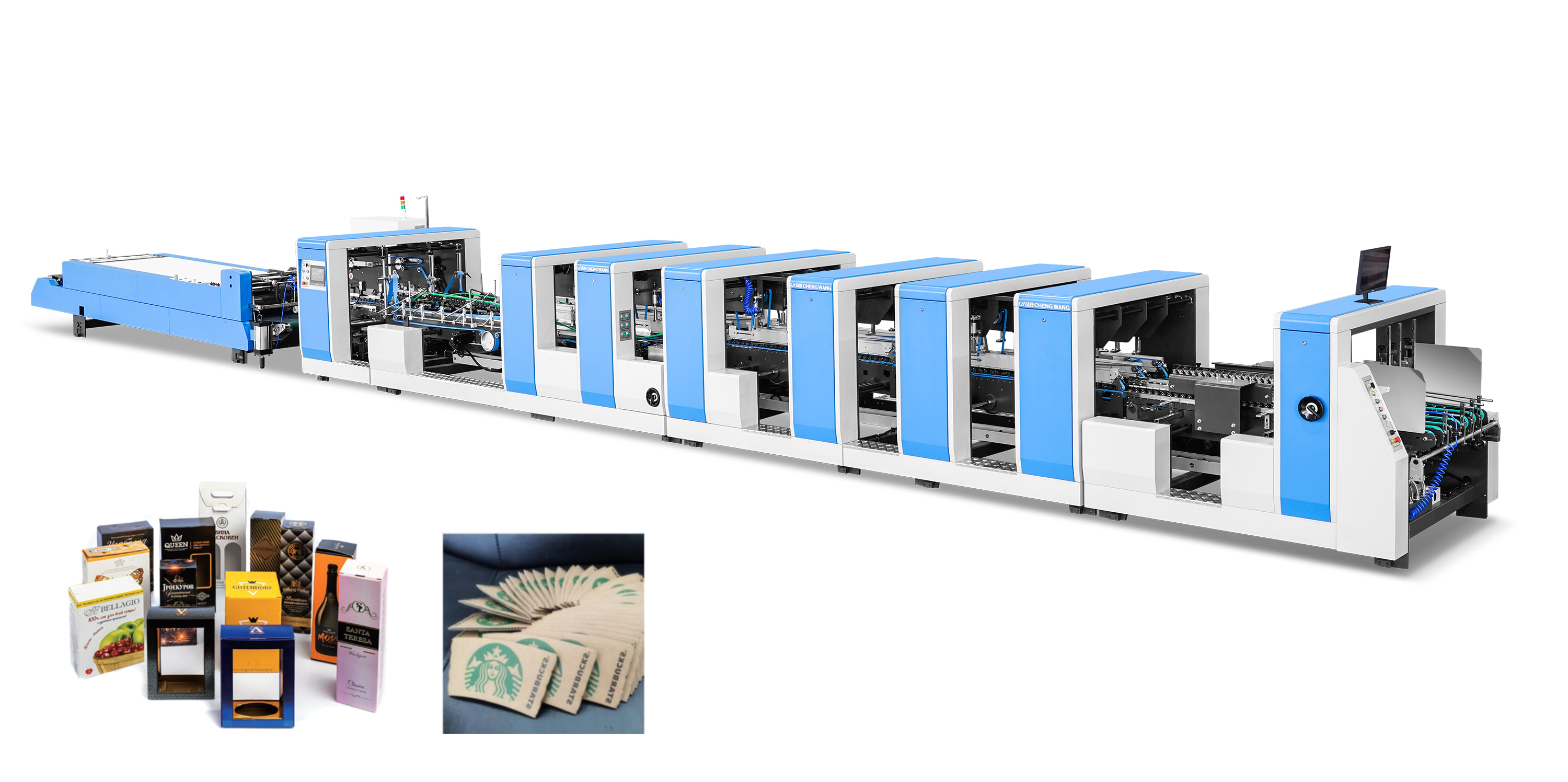
How Does Material Behavior Influence Automatic Folder Gluer Performance?
In real production settings, material choice often decides how stable or unpredictable folding feels during operation. An Automatic Folder Gluer does not behave the same way across different sheets. Each material carries its own stiffness, surface feel, and reaction to pressure, and that difference shows up once feeding starts.
Some paper bends almost without effort, sliding through rollers with little resistance. Others push back slightly, especially when fiber density is higher. That small resistance is not dramatic, yet it can change how edges align once folding begins.
Glue does not behave in a fixed way either. On certain surfaces it settles quickly, on others it seems to sit longer before bonding starts forming. When that timing shifts, folding lines may still look correct, though internal bonding develops unevenly.
In practice, machine rhythm stays steady, while material response keeps changing. That mismatch is usually where small irregularities begin.
What Paper-Based Materials Are Commonly Processed in Folding and Gluing Systems?
Paper is still the most common input in folding lines, mainly because its structure behaves in a familiar way. Even so, not all paper acts the same once it enters a machine.
Light sheets move easily, almost floating through guides. Kraft-based materials feel tighter, with more resistance when bending starts. Coated paper behaves differently again, especially at the surface, where glue does not soak in as quickly as expected.
Multi-layer sheets bring another level of variation. One side may fold smoothly while another side resists slightly, depending on fiber direction and internal composition.
In everyday use, operators often notice a simple pattern: alignment feels stable when fiber direction matches folding lines, and slightly less predictable when it crosses them. That small difference can show up after repeated cycles rather than immediately.
Corrugated material appears often in packaging work. Machines like Corrugated Box Gluer Machine handle these sheets because they need structure after folding, not just shape change during processing.
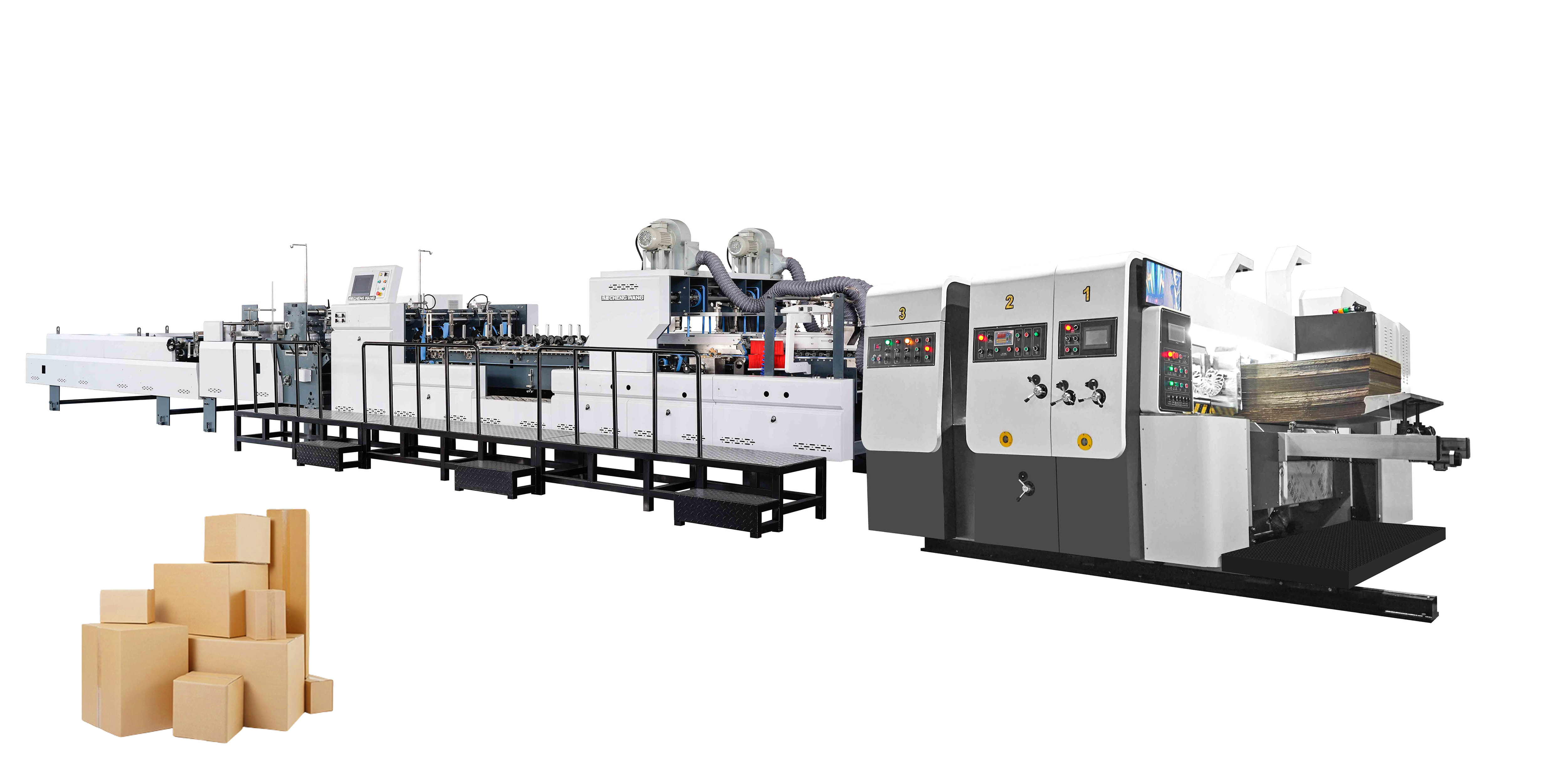
Why Is Corrugated Material Closely Linked With Folding Equipment?
Corrugated board behaves more like a layered structure than a single sheet. Inside, there are alternating sections that respond differently to pressure. When folding begins, outer layers move first while inner layers react a bit later.
That delay is not visible on the surface, though it affects how pressure spreads through the sheet.
When Corrugated Box Gluer Machine processes this material, several behaviors tend to appear in practice:
- Edges feel stronger resistance during fold formation
- Shape slightly relaxes after pressure is released
- Glue spreads unevenly across structured surfaces
- Thickness differences influence feeding alignment
- Compression does not distribute evenly across layers
Because of that structure, corrugated material rarely reacts in a simple way. Too much pressure can distort it, while too little pressure may leave weak bonding areas. Most adjustment work happens around finding a stable middle point rather than pushing one setting too far.
How Do Coated and Laminated Materials React During Folding Operations?
Coated paper feels smoother during movement, but that same smoothness changes how glue behaves. Adhesive does not soak into the surface easily, so bonding starts more slowly compared with uncoated materials.
During folding, coated sheets tend to glide through rollers with less friction. That can help feeding stability, though alignment may need more attention when surface grip is low.
Laminated materials behave in a more isolated way. The outer layer acts almost like a barrier, so glue stays on the surface instead of entering the sheet. Bonding depends more on pressure and contact time rather than absorption.
Common observations in production:
- Glue remains on surface longer before setting
- Folding movement feels smoother but less "anchored"
- Pressure control becomes more sensitive
- Crease preparation becomes more important than usual
- Slight slipping can appear during entry into folding section
Matte surfaces usually feel a bit more stable than glossy ones, though both still behave differently compared with plain paper.
What Role Do Carton and Packaging Grades Play in Folding Stability?
Carton materials used in packaging are not uniform in structure. Some are dense and firm, others are lighter and more flexible. That difference changes how folding lines behave during continuous machine operation.
Heavier grades tend to hold shape after folding, resisting deformation even after pressure is released. Lighter grades move more easily through the system but may shift slightly after folding if alignment is not precise.
Operators often notice that pre-creased material runs more predictably. Without crease preparation, folding lines depend more on machine force, which can lead to variation across batches.
Typical behavior seen in practice:
- Dense cartons stay stable after folding
- Light cartons respond quickly but shift more easily
- Pre-creasing reduces alignment variation
- Internal structure affects rebound after pressing
- Surface condition influences glue contact consistency
Even when machine settings remain unchanged, different carton grades can still produce slightly different output behavior.
How Do Synthetic and Non-Paper Materials Behave in Folding Systems?
Non-paper materials introduce a different working condition inside folding systems. Plastic-based sheets do not absorb adhesive into their structure, so bonding happens mainly at the surface level.
This changes how pressure and timing interact during processing. Instead of penetration, the system depends on surface contact and holding time.
In actual operation, synthetic materials often show:
- Very limited adhesive absorption
- Smooth passage through feeding channels
- Higher dependence on pressure balance
- Flexible bending behavior depending on material type
- Bonding based mainly on surface contact rather than fiber grip
Because of that, small changes in pressure or alignment timing can affect final bonding more noticeably than in paper-based materials.
Material Behavior Comparison in Folding Systems
| Material Type | Folding Feel | Glue Behavior | Practical Observation |
|---|---|---|---|
| Plain Paper | Balanced bending | Moderate absorption | Stable running condition |
| Corrugated Board | Layered resistance | Uneven penetration | Needs pressure balance |
| Coated Paper | Smooth sliding | Slow bonding start | Sensitive alignment |
| Laminated Sheet | Surface flexibility | Limited absorption | Contact-dependent bonding |
| Synthetic Sheet | Elastic movement | Surface bonding only | Pressure-sensitive result |
How Does Moisture Level Influence Folding Performance?
Moisture inside material changes how fibers behave under pressure. Slight humidity makes paper softer and easier to fold, though it may reduce how firmly the shape holds afterward.
Dry material behaves differently. Fibers become tighter, and folding lines resist more during machine entry. That resistance can influence how smoothly sheets pass through feeding stages.
Glue interaction also shifts with moisture level. In some cases bonding starts faster, in others it slows down depending on how the surface reacts.
In real production environments, these changes often come from surrounding air rather than the material itself. Storage conditions, room air, and handling time all play a role in final folding behavior.
How Does Material Thickness Influence Folding Stability in Real Operation?
Thickness changes the feel of folding more than people usually expect. On an Automatic Folder Gluer, even a small shift in sheet thickness can change how pressure travels through the folding section.
When material gets thicker, folding does not happen in a clean, instant motion. There is a slight resistance before the crease settles. That resistance is not a problem by itself, though it forces the machine to work a bit differently in pressure zones. Sometimes edges stay stable, sometimes alignment drifts slightly before settling back.
Thinner material behaves in a lighter way. It moves faster through feeding points, almost too easily in some cases. That ease sounds good, though it can also mean less control during transfer between folding steps. Sheets may shift slightly if airflow or roller tension is not steady.
In daily production, thickness variation is usually noticed in small ways:
- crease line feels softer or harder depending on batch
- sheet position changes slightly during transfer
- folding angle does not stay identical across long runs
- glue contact timing shifts a little without notice
- feeding speed feels inconsistent between stacks
Nothing dramatic happens immediately. It is more like small drifting behavior that becomes visible only after repeated cycles.
How Does Adhesive Behavior Change Across Different Materials?
Glue interaction is never exactly the same from one material to another. On paper that absorbs well, adhesive disappears into fibers quickly, and bonding starts forming almost right away. On coated or laminated surfaces, glue sits more on top, waiting for pressure and time to finish the connection.
That difference changes how folding feels during operation. Some materials feel "quick to set," others feel delayed, even if machine speed stays unchanged.
Operators often notice patterns like:
- glue spreads fast on porous sheets, slower on coated ones
- bonding starts earlier on raw paper surfaces
- laminated layers rely more on pressure than absorption
- surface tension becomes more important when fiber is closed
- uneven glue spread appears more on smooth materials
With Corrugated Box Gluer Machine, the situation becomes even more layered. Glue does not just meet a flat surface. It meets ridges and valleys, so distribution changes depending on compression during folding.
Sometimes glue reaches outer layers first, while inner structure reacts a bit later. That timing gap is small, though it influences how stable the final box feels after pressing.
How Do Mixed Materials Affect Continuous Folding Lines?
Mixed material flow is something that happens more often than expected in real production. Even when materials are similar in appearance, small differences in coating, stiffness, or fiber direction can affect how the line behaves.
The machine itself keeps running. It does not "know" that material has changed. Adjustment happens through contact, pressure, and feed response rather than any direct reset.
What usually shows up in mixed runs is not failure, more like gradual inconsistency:
- one batch folds smoothly, next batch feels slightly tighter
- glue timing shifts without obvious reason
- alignment needs small correction during transitions
- feeding tension changes from stack to stack
- folding line "feels different" even if settings stay the same
Over time, operators learn to recognize these small changes by sound, movement, and sheet behavior rather than measurement.
Folder Gluer Factory environments often deal with this by keeping feeding conditions steady and reducing sudden variation between material batches instead of trying to force one fixed behavior.
What Role Does Folder Gluer Factory Environment Play in Material Handling?
The surrounding environment inside a Folder Gluer Factory quietly influences how materials behave before they even reach the machine.
Paper stored in slightly different conditions may react differently once feeding begins. One stack may feel softer, another slightly tighter. That difference is not always visible, though it shows up during folding as small variation in movement.
Air condition also plays a role. When air feels dry, sheets tend to stiffen slightly. When humidity is higher, bending becomes easier, though sometimes less stable after folding.
During long operation periods, small environmental shifts can lead to:
- feeding speed changes without mechanical adjustment
- glue spread reacting differently across shifts
- folding lines shifting slightly in repeated cycles
- material feel changing from early run to later run
- alignment needing occasional correction
None of these changes come from a single cause. It is usually a combination of storage, handling, and ambient conditions working together.
How Do Long-Term Material Changes Affect Folding Systems?
Materials do not stay exactly the same over time. Even without visible damage, fiber structure slowly adjusts depending on storage and handling conditions.
Paper that has been stored longer may feel slightly different during folding. Sometimes it becomes a bit stiffer, sometimes it softens depending on surrounding conditions. That shift is not immediate, it builds gradually.
Over time, what appears in folding systems is not sudden change, more like slow drift:
- crease response becomes less consistent
- surface feel changes during feeding
- glue interaction takes slightly longer or shorter time
- folding memory shifts after pressure release
- small differences appear across repeated runs
These changes are subtle, but they explain why identical material sometimes behaves differently on different days or shifts.
How Does Automatic Folder Gluer Adapt to Different Material Conditions?
An Automatic Folder Gluer does not switch modes. It reacts through continuous mechanical balance. Pressure, feeding contact, and folding timing adjust in small ways during operation.
When material is stiffer, folding resistance increases and the system naturally compensates through pressure distribution. When material is smoother, feeding becomes easier, and control shifts slightly toward alignment stability.
What happens in practice is more like constant adjustment:
- pressure redistributes across folding points
- feeding adapts to surface friction changes
- glue contact adjusts based on absorption speed
- alignment stabilizes through roller contact
- folding timing shifts slightly with material resistance
Nothing is fixed in one position. It is always a moving balance between machine behavior and material response.
Recommended Products
Focus on providing high-quality folder-gluing equipment to customers around the world.



No.3888, Jiangnan Avenue, Nanbin Street, Ruian City, Wenzhou City, Zhejiang Province, China







Privacy Policy Copyright © Zhejiang Chengwang Intelligent Packaging Equipment Co., Ltd.
High Speed Folder Gluer Factory