English
 русский
 Français
 Español
 Deutsch
Why Does a Carton Folding Gluing Machine Matter in Modern Carton Design
In modern packaging, carton design is no longer limited to appearance alone. It now connects visual communication, product protection, production efficiency, retail presentation, and consumer experience. As consumer goods compete for attention in crowded markets, the carton has become an important part of how a product is introduced, stored, transported, and purchased.
A strong package can help a product stand out before a customer even touches it. It can communicate identity, protect the contents, and support operations from the production line to the store shelf. That is why carton design has become a practical business issue as much as a creative one. When structure and graphics work together, packaging can support both sales and reliability.
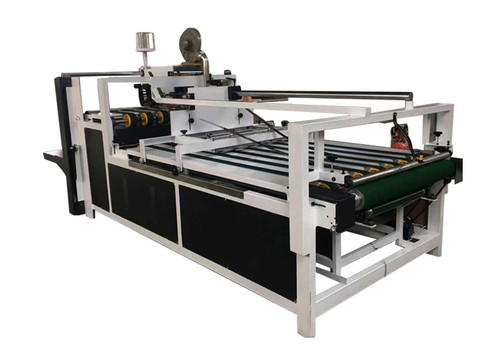
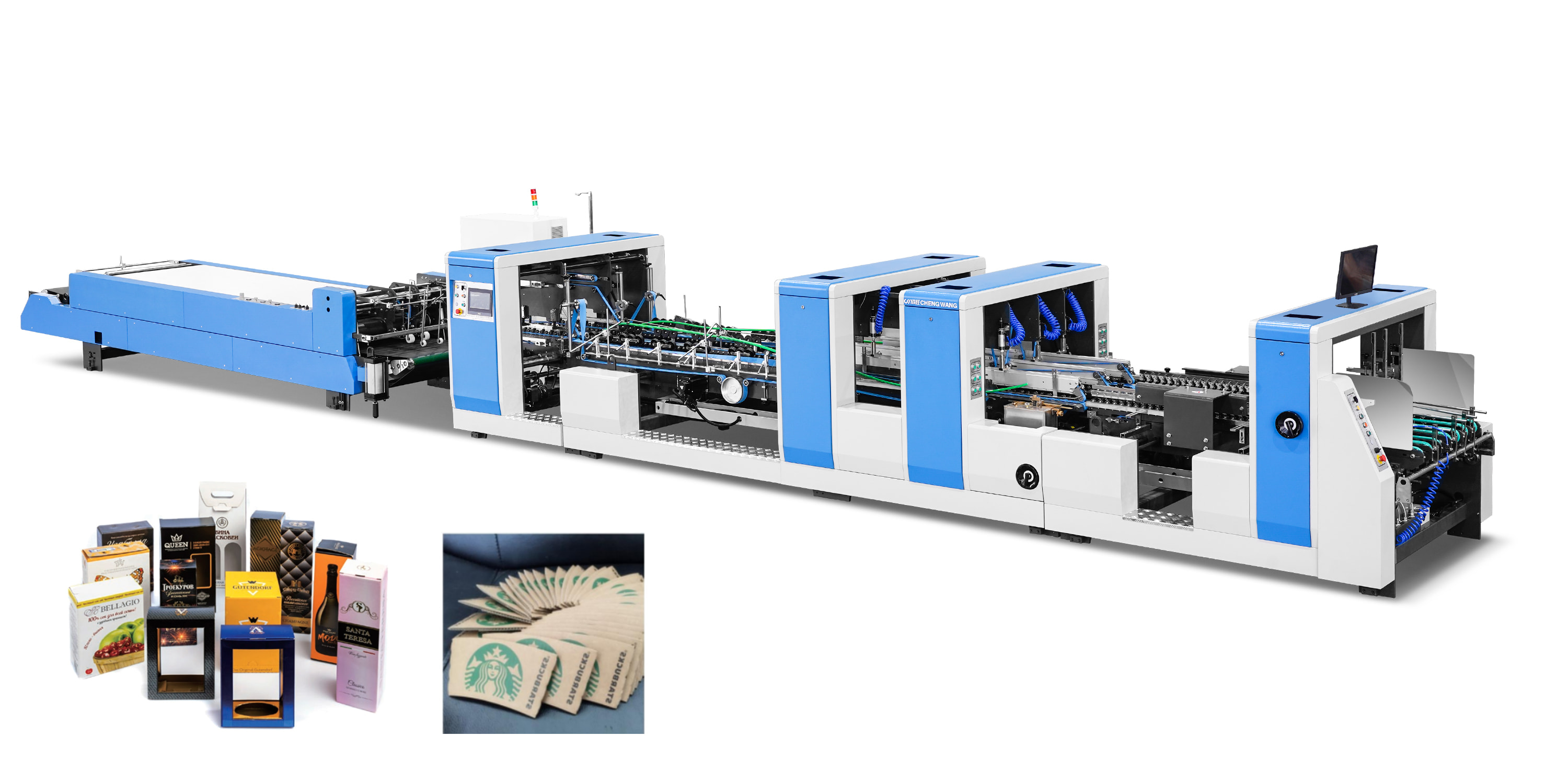
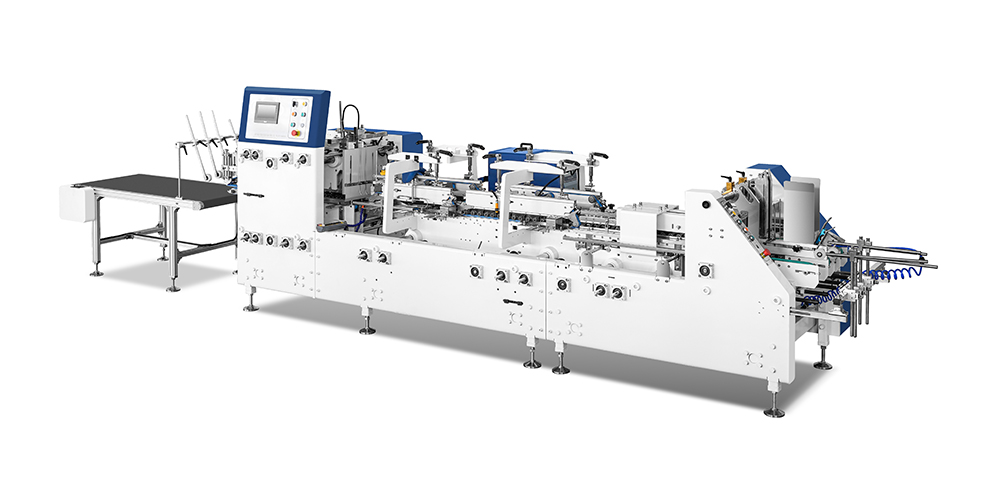
This growing focus on packaging performance has also encouraged companies to pay more attention to the equipment and workflow behind carton production. A Carton Folding Gluing Machine is part of that larger conversation, because packaging quality depends not only on design decisions but also on how consistently those decisions are turned into finished cartons.
Carton Design as a Business Function
Cartons are often the first physical contact point between a brand and a consumer. In that sense, they serve several roles at once.
Key purposes of a carton
- Protect the product during handling and transport
- Present information in a clear and readable way
- Support shelf visibility and brand recognition
- Improve the shopping experience through convenience and clarity
Packaging that performs well can influence how a product is perceived. A carton that opens cleanly, closes securely, and keeps its shape may help create a stronger impression of quality. At the same time, the carton must meet practical needs behind the scenes. It needs to fit production requirements, move through packaging lines smoothly, and remain suitable for shipping and storage.
Why Structure and Graphics Need to Work Together
One of the most important ideas in carton development is that visual design and structural design are closely connected. A package may look appealing on screen or in a mockup, but if the structure does not support its intended use, the final result can fall short.
The two major parts of carton creation
Graphic design
- Focuses on color, branding, layout, typography, and visual appeal
- Helps attract attention and communicate product identity
Structural design
- Focuses on shape, folding behavior, strength, and usability
- Helps the carton function properly across the supply chain
A successful carton is created when these two areas are developed together. The graphic layer gives the product a voice, while the structural layer gives the package durability and performance. In a competitive retail environment, both matter. A carton that looks strong but fails in handling can create losses. A carton that functions well but lacks visual clarity may struggle to capture attention.
The Role of Structural Planning in Packaging
Structural planning is the part of carton design that connects the concept to the real world. It takes into account how the carton will be produced, packed, moved, displayed, and opened. This stage is where design becomes operational.
Structural questions designers need to consider
- What packaging material will suit the product and the production method?
- How will the carton behave during folding, gluing, and assembly?
- Will the package support automated or semi-automated packaging lines?
- Can the carton hold up during transport and storage?
- Does the final shape meet retailer expectations?
- Is the carton convenient for the end user?
These questions matter because packaging must work across different environments. A carton that performs well in the factory must also remain reliable in warehouses, during delivery, and on the shelf. The more carefully these needs are considered in the design stage, the fewer issues are likely to appear later.
Material Choice and Product Protection
Material selection shapes much of a carton’s performance. Different materials can affect stiffness, surface quality, print appearance, folding behavior, and durability. For that reason, material knowledge is a core part of quality carton development.
A material that feels suitable in theory may not perform well during actual production. It may not fold cleanly, it may not hold its form, or it may not match the desired visual finish. Designers and production teams need a practical understanding of how materials behave so the carton can be both attractive and dependable.
Why material knowledge matters
- It influences how the carton looks and feels
- It affects how easily the carton can be converted into a finished package
- It can impact how well the product is protected
- It plays a role in how the carton performs through distribution and retail use
Material choice also affects the consumer experience. A carton that feels sturdy and opens smoothly can support the impression that the product inside has been carefully prepared. That impression can matter in categories where presentation and trust are closely linked.
Production Efficiency and Packaging Workflow
Packaging design is not only about the carton itself. It is also about how efficiently that carton fits into the production process. A well-planned package should work with packaging line requirements rather than against them.
This is where coordination between design and manufacturing becomes especially important. If a carton is difficult to assemble, hard to align, or inconsistent in shape, it can slow down production and create waste. On the other hand, a package designed with operational realities in mind can help maintain smoother workflows and more stable output.
A Carton Folding Gluing Machine can play an important role in that environment because production consistency depends on reliable folding, alignment, and sealing. When packaging teams think beyond appearance and consider the full workflow, they can create cartons that are easier to produce at scale and easier to handle after production.
Main Factors That Shape Quality Carton Design
| Design Factor | What It Affects | Why It Matters |
|---|---|---|
| Material selection | Strength, folding behavior, appearance | Helps the carton suit the product and process |
| Structural layout | Shape, function, assembly | Supports performance across production and use |
| Graphic design | Brand visibility, shelf appeal, readability | Helps the product attract attention and communicate clearly |
| Packaging line compatibility | Speed, efficiency, consistency | Reduces production issues and supports stable output |
| Transport and storage needs | Protection, durability, reliability | Helps the carton survive real-world handling |
| Retail presentation | Visibility, order, consumer trust | Supports buying decisions at the point of sale |
Retail Expectations and Consumer Needs
Retailers and consumers place different demands on packaging, and carton design needs to account for both. Retailers want packaging that displays well, stores easily, and supports efficient handling. Consumers want packaging that is clear, convenient, and visually understandable.
Retail expectations often include
- Easy shelving and stacking
- Clear product identification
- Consistent appearance across units
- Efficient handling in store environments
Consumer needs often include
- Clear information
- Simple opening and closing
- Attractive presentation
- Packaging that feels practical and dependable
When carton design responds to both groups, it creates more value. The retailer benefits from a more workable package, and the consumer benefits from a better product experience. That balance is one reason carton development remains central to packaging strategy.
Why Packaging Design Is Becoming More Strategic
In the past, cartons were sometimes treated as a final step in product development. Today, they are more often treated as part of the product itself. This shift reflects broader changes in consumer behavior, retail competition, and supply chain expectations.
Packaging now contributes to how a product is positioned, how it is protected, and how efficiently it moves through the market. It also helps define whether the product appears organized, trustworthy, and ready for use. Because of that, carton design has become a strategic decision rather than a finishing detail.
Companies that invest in thoughtful carton development are often thinking about more than design appearance. They are thinking about process control, waste reduction, shelf impact, and customer satisfaction. These goals are increasingly connected.
Industry Direction and Practical Outcomes
The future of carton design is likely to remain centered on balance. Brands need packaging that can attract attention, but they also need packaging that performs reliably. Production teams need cartons that can be made efficiently, while retailers need cartons that support presentation. Consumers need convenience, clarity, and confidence in the product inside.
That balance is what makes carton design such an important part of packaging strategy. It is not a single task. It is a combination of technical planning, graphic communication, manufacturing awareness, and market understanding.
Practical outcomes of thoughtful carton design
- Better product protection
- More consistent production results
- Improved shelf presentation
- Clearer consumer communication
- Stronger alignment between packaging and brand goals
How Carton Design Supports Modern Packaging Needs
Quality carton design brings together structure, appearance, and production logic. It supports the product before purchase, during transport, and after the carton reaches the shelf. As markets become more competitive, companies are placing greater value on packaging that does more than contain a product. They want cartons that communicate, protect, and perform.
For businesses exploring packaging systems and production support, cenwanmachine can serve as a useful starting point for learning more about equipment that supports carton production and packaging efficiency.
Recommended Products
Focus on providing high-quality folder-gluing equipment to customers around the world.



No.3888, Jiangnan Avenue, Nanbin Street, Ruian City, Wenzhou City, Zhejiang Province, China







Privacy Policy Copyright © Zhejiang Chengwang Intelligent Packaging Equipment Co., Ltd.
High Speed Folder Gluer Factory